Scintillator Crystal Properties
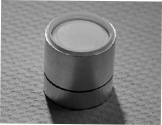
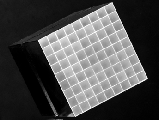
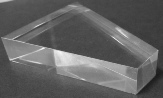
Scintillator crystals are materials that emit visible or ultraviolet light when struck by ionising radiation such as gamma rays, X-rays or charged particles. This process, known as scintillation, allows the energy of the radiation to be measured and analysed with high precision. The choice of crystal depends on several factors including density, light output, decay time and emission wavelength, which must be matched to the photodetector used.
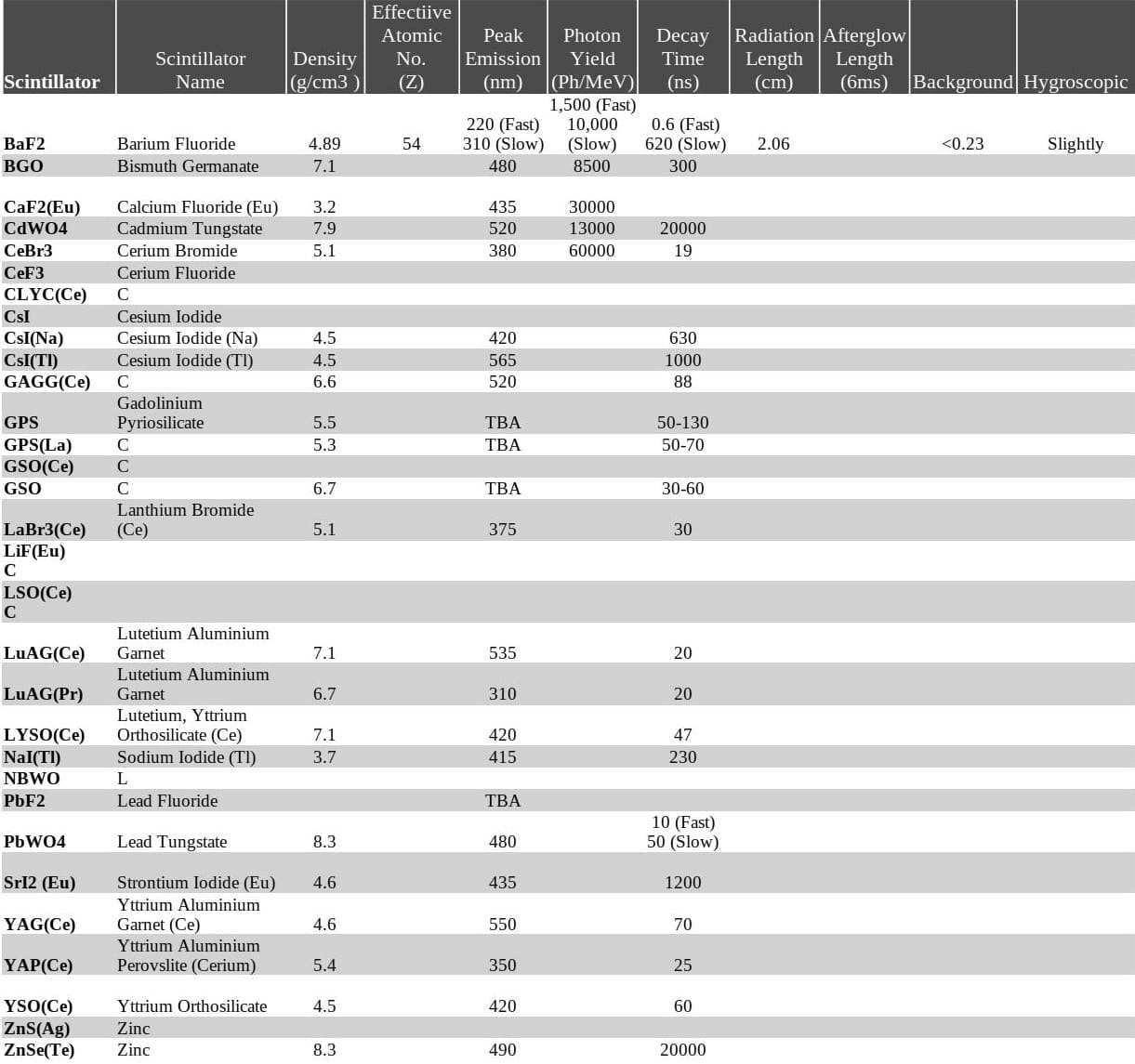
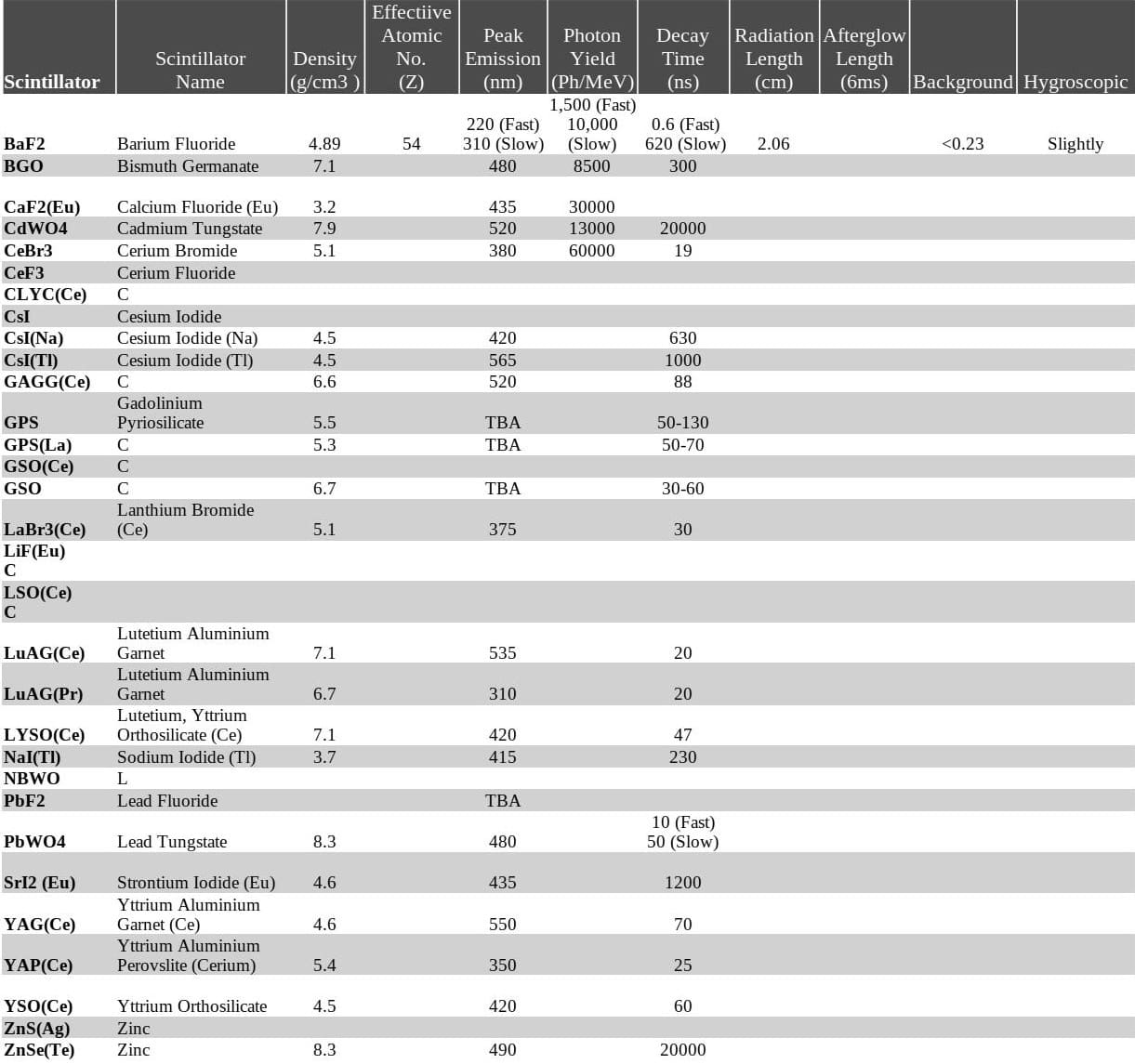
Our table below compares the key physical and scintillation properties of all the crystals we supply. Higher density materials such as BGO and LYSO(Ce) offer better stopping power for high-energy gamma rays, while faster decay times make materials like CeBr₃ and LaBr₃(Ce) ideal for high-count-rate applications. Emission wavelength is also critical — it should match the spectral response of the photomultiplier tube, SiPM or photodiode used in your system.
These crystals are used in a wide range of applications including gamma spectroscopy, nuclear security, medical imaging (PET, SPECT), environmental monitoring, industrial inspection and high-energy physics research. If you need assistance interpreting the data below or selecting the right material for your project, please contact our team for expert advice.
Our table includes data on density, light yield (photons per MeV), decay time, emission peak wavelength and hygroscopicity for each material. These parameters are key to selecting the right crystal: for example, non-hygroscopic materials like BGO and LYSO(Ce) are preferred for field-deployable instruments, while materials with fast decay times like CeBr₃ and LaBr₃(Ce) excel in high-count-rate applications such as time-of-flight PET.
Comparative Properties Table
The following table summarizes the properties of the scintillation crystals currently available. Click on the table for a high-resolution version.